USDT in a Wallet but Cannot Send? Check the Gas Balance
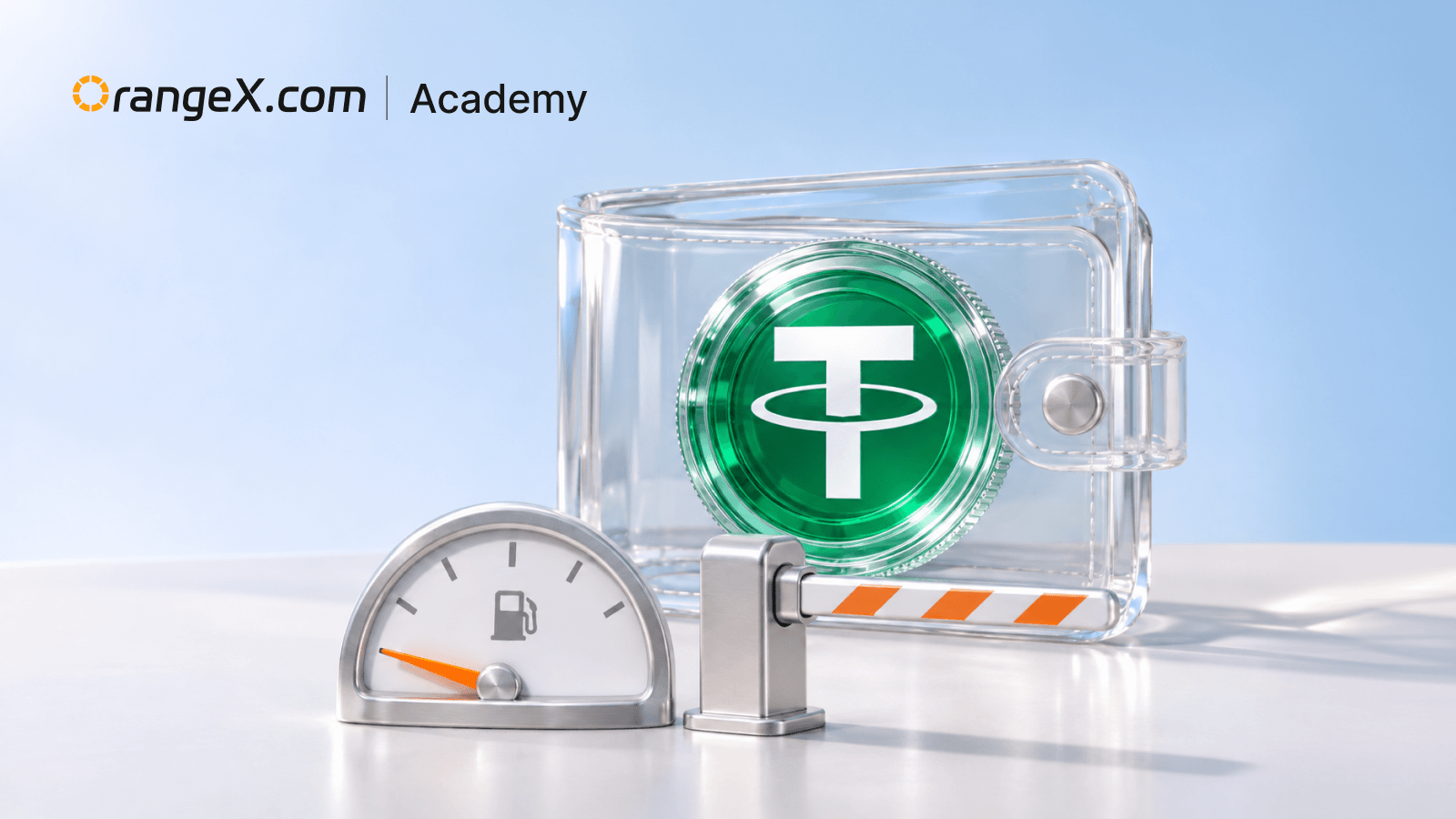
Having USDT in a wallet does not always mean the wallet can pay the network cost of sending it. For an ordinary Ethereum mainnet transaction from a self-custody account, the sender pays gas in ETH. The USDT balance and the ETH balance perform different roles.
Identify the exact network first
USDT can exist on different networks. Check the network selected in the wallet and the token's contract identity through trusted official references. An address format or a familiar ticker alone does not establish that you are using the intended chain and asset.
This explanation concerns an ordinary self-custody Ethereum mainnet transfer. Other networks, sponsored transactions and specialized wallet services can have different fee arrangements. Do not generalize ETH gas rules to every version of USDT.
Check two balances separately
Imagine a wallet holds 100 USDT but 0 ETH on Ethereum mainnet. The USDT holding does not automatically become ETH for gas in an ordinary transaction. Check the wallet's current fee estimate and its required native-asset balance before sending.
A displayed fee estimate can change before execution. Do not use an old screenshot as a current quote, assume a fixed gas price or send your entire ETH balance without considering future transactions. Confirm that any balance you use is on the same network.
Distinguish wallet gas from an exchange fee
A withdrawal initiated inside an exchange account follows the exchange's current withdrawal rules and displayed fee. You do not normally fund the exchange's sending wallet with personal ETH merely because its on-chain transaction uses gas. Inspect the withdrawal confirmation instead.
Our ETH gas and withdrawal-fee guide explains that separation. The token supply guide covers another distinct concept: supply is not a network-fee balance. Continue learning in OrangeX.com Academy.
If it still will not send
Read the actual error. Check the network, fee estimate, available balance, token contract and transaction history. Insufficient gas is one possibility, not a diagnosis for every failed transfer. Wallet restrictions, token restrictions or network conditions can also matter.
Before repeating a submission, inspect whether an earlier transaction is pending or already completed. If execution failed after inclusion, gas may still have been consumed. Save the public transaction identifier for investigation, but never disclose your seed phrase or private key.
Common questions
Can I always pay Ethereum gas with USDT?
No. Ordinary Ethereum mainnet transactions use ETH. A service advertising sponsorship or alternative payment needs its own verified terms.
Will importing the wallet again create gas funds?
No. Restoring access does not add assets. Never enter a seed phrase into an unsolicited site offering to fix a gas error.
Should I send another transfer immediately?
First verify the previous transaction's state and the current requirements. This troubleshooting guide does not guarantee successful delivery, recovery or a fixed processing time.