What Is Cryptocurrency? A Beginner’s Guide
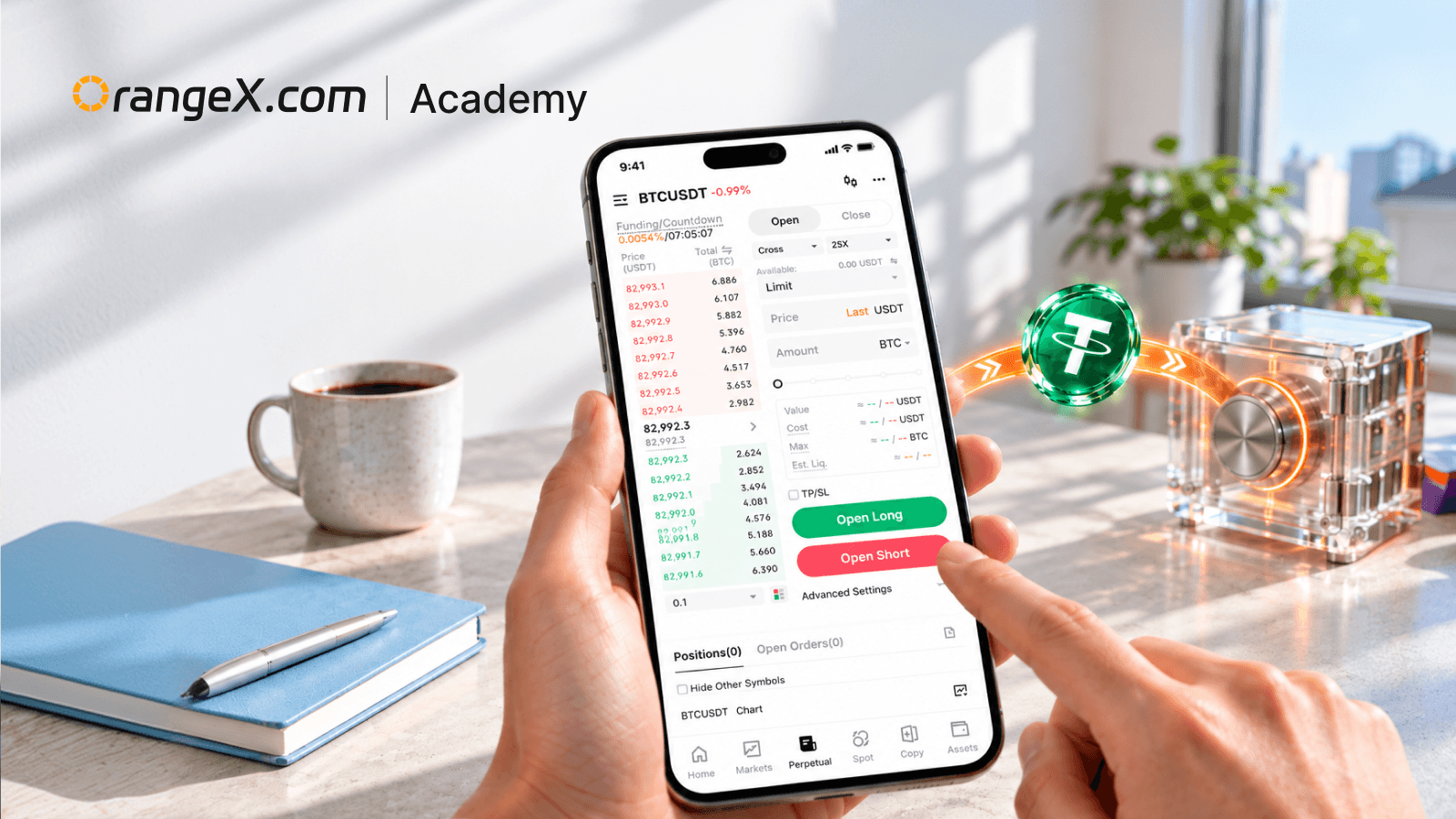
Cryptocurrency is a digital asset whose transfers are authorized using cryptography and usually recorded on a blockchain. Depending on the asset, it can be used to make payments, pay network fees or interact with blockchain applications. It can also be bought and sold, with prices that may change sharply.
If you are starting from scratch, three questions matter more than learning every technical term: What does this asset do? Who controls access to it? And am I buying the asset itself or a contract linked to its price?
How does cryptocurrency work?
A blockchain is a shared record of transactions. Network participants check proposed transactions against agreed rules, helping prevent problems such as spending the same funds twice.
For a typical transfer from a self-custody wallet, you enter a receiving address and an amount. Your wallet uses a private key to authorize the transaction, then broadcasts it to the network. The transaction is checked and included in the blockchain. The receiving service may require additional confirmations before making the funds available.
The blockchain, wallet and exchange each have a different job. The blockchain records activity. A wallet manages the keys used to authorize actions. An exchange provides an account and a place to trade. A trade inside an exchange account does not necessarily create a separate blockchain transaction; withdrawing to an external address generally does.
Bitcoin, Ethereum and stablecoins serve different purposes
“Crypto” describes a broad category, not one uniform product.
| Asset type | What it is used for | A useful question to ask |
|---|---|---|
| Bitcoin, or BTC | Transferring value and holding a digital asset with a protocol-defined issuance schedule | Why do I want exposure to BTC, and how much volatility can I tolerate? |
| Ether, or ETH | Paying for activity on Ethereum and participating in its network | Do I understand the network and application I plan to use? |
| Stablecoins, such as USDT or USDC | Transferring and quoting value with a target linked to a reference currency | What supports the peg, and what happens if it breaks? |
A stablecoin targeting one US dollar is not the same thing as a dollar in a bank account. Its market price can move away from its target, and users may face issuer, reserve, redemption and network risks.
Likewise, a low token price does not automatically mean an asset is cheap. The number of tokens in circulation, future issuance and actual demand all matter. Comparing two assets only by their price per token can be misleading.
How to read a cryptocurrency price
Cryptocurrency prices are commonly displayed as trading pairs. In BTC/USDT, BTC is the asset being priced and USDT is the unit used to quote that price.
During a check of OrangeX.com’s BTC/USDT spot market at approximately 2:24 p.m. UTC+8 on September 29, 2026, the page displayed 83,848.799 USDT per BTC. That is a time-stamped observation, not a current execution quote or a price prediction.
At that reference price, 100 USDT divided by 83,848.799 works out to approximately 0.001193 BTC before fees and execution differences. You do not need to purchase a whole bitcoin. The amount you can actually buy depends on the available orders, fees and the platform’s minimum order requirements.
This example also shows why the displayed price and your final cost can differ. A market order may fill across several prices. A limit order sets a price boundary but may remain partly or completely unfilled.
Buying crypto and trading a perpetual contract are different
OrangeX.com provides separate spot and perpetual trading pages. That distinction helps you identify which product you are viewing before entering an order.
With an ordinary, fully paid spot purchase, you exchange the quote asset for the base asset. Buying BTC with USDT increases your BTC balance, subject to execution and fees. Holding that balance on an exchange still involves custody and platform risk.
A perpetual futures position gives contractual exposure to price movements. Opening a position does not mean you have purchased the same amount of BTC for withdrawal. The BTC/USDT perpetual market has a different risk structure, including margin requirements, possible funding payments and liquidation risk.
Leverage makes that difference especially important. A relatively small price move can have a much larger effect on the margin supporting a position. Understanding cryptocurrency does not require using leverage—or placing a trade at all.
Where is cryptocurrency kept?
With self-custody, you manage the keys that authorize transactions. This gives you direct control, but also responsibility for secure backups and recovery information. Someone who obtains the necessary keys or recovery phrase may be able to take the assets.
With an exchange account, the platform manages custody and your access is governed by its account controls and withdrawal procedures. This can simplify trading, but it introduces reliance on the service. A password reset for an exchange account is different from recovering a lost self-custody wallet.
Before funding an account, review the available account security settings. OrangeX.com documents authentication and passkey options; availability should be checked in your own account. Use a unique password and keep verification codes and recovery details private.
The risks beginners should recognize
Price volatility is only one risk. Also consider:
- Liquidity: you may not be able to sell your intended quantity near the price shown.
- Custody: compromised credentials, lost keys or a service failure can prevent access to funds.
- Project and technology risk: software faults, weak token economics or failed applications can damage an asset’s value.
- Transfer errors: a wrong address, unsupported network or missing memo can cause delays or losses.
For transfers, the token name alone is not enough. Read the deposit and withdrawal safety checklist and verify the receiving network, address, memo or tag, minimum amount and fees. A small test transfer can help check the route, provided it satisfies the destination’s minimum requirements.
Frequently asked questions
Is cryptocurrency the same as Bitcoin?
No. Bitcoin is one cryptocurrency. Other assets can have different purposes, supply rules, governance and risks. Learning how BTC works does not establish that another token works the same way.
Can I buy cryptocurrency with a small amount?
Many assets are divisible, so buying a whole coin is usually unnecessary. The practical minimum depends on the trading pair, order rules and fees shown by the service you use.
Are cryptocurrency transactions anonymous?
Not necessarily. Many public blockchains expose transaction records, and addresses may be linked to people or services. Do not assume that using a wallet makes activity private.
Does cryptocurrency guarantee a return?
No. An asset can lose substantial value, and a working network does not guarantee that its token price will rise. Trading and yield products can introduce additional risks.
Before moving money, make sure you can explain the asset’s purpose, the product you are using and how you would access or transfer your funds. Those are more useful first steps than choosing a coin because its price is rising.
This article is educational and does not recommend a particular investment. Market figures are snapshots and should be checked again before any transaction.